Sudanese woman and 16-year-old girl reportedly die trying to cross Channel | Immigration and asylum
Two female Sudanese asylum seekers have died trying to cross the Channel in the early hours of Sunday morning, off the coast of Boulogne.
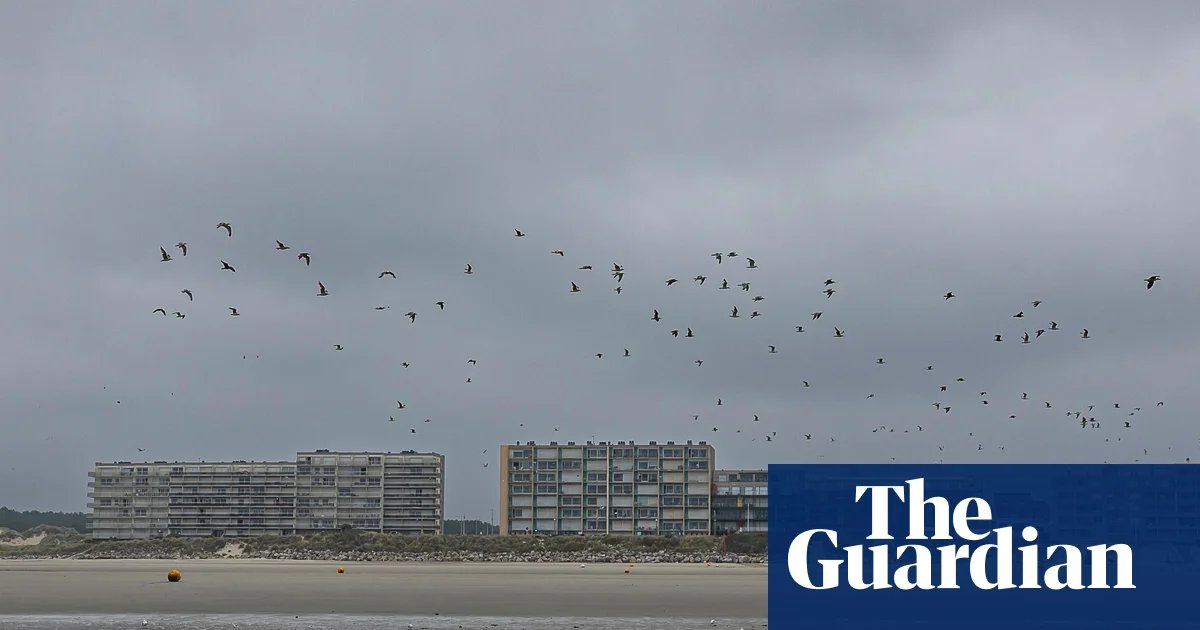
According to some reports, one was a teenager aged 16 and the other a woman in her 20s. They were found dead in the boat, which had run aground on the beach of Neufchâtel-Hardelot, according to Christophe Marx, the secretary general of the Pas-de-Calais Prefecture.
There were approximately 82 people on board. Marx said that the victims had been found “dead inside the boat”.
Three survivors are reported to be in a critical condition due to burns caused by a mix of engine fuels and sea water. Fourteen others have less severe injuries, with five of them taken to hospital.
A major rescue operation was launched when dozens of people tried to scramble on to the dinghy, described as a taxi boat.
Seventeen people were rescued at sea and taken to Boulogne-sur-Mer, and another 65 remained onboard until the boat ran aground. The fatalities and injuries occurred after the engine failed and the boat started to drift.
A judicial investigation into the incident has been launched by Boulogne-sur-Mer’s public prosecutor’s office.
Today’s fatalities bring the death toll so far this year to at least eight, including two deaths a month ago and four more three weeks ago. At least 29 people died trying to cross the Channel last year.
The death toll raises questions about the latest three-year deal between the UK and France signed last month. The UK is paying the French government £662m to stop small boats crossing the Channel and prevent loss of life. France is increasing the number of police and gendarmes patrolling the coast, while the British government is increasing payments to France by 40%. It has been reported that French patrols will intervene only to stop boats with fewer than 20 people onboard, as they say there is a risk to life if they stop severely overcrowded boats.
In a statement issued on Sunday morning about the rescue operation, The Maritime Prefect for the Channel and the North Sea said that, given the structural fragility of the boats, which are very overcrowded, French authorities do not force people trying to cross the Channel to board state rescue vessels, in order to avoid endangering their lives in the event of a shipwreck.
GB News has reported that more than 550 people have crossed the Channel in small boats so far this weekend, although Sunday’s official daily crossings figures have not yet been published by the Home Office. Government data published on Sunday morning confirms that 325 people crossed the Channel in six boats on Saturday.
One asylum seeker returned to France under the “one in one out” deal told the Guardian he was in a French government hostel in northern France along with many asylum seeker families, and that Home Office officials had come to the accommodation a few days ago, warning people not to cross the Channel. Hours later, some of the families left the hostel and are thought to have reached the UK earlier this weekend. Home Office sources said they would not comment on operational matters. They added that their priority was to break the people smugglers’ business model.
Before the latest deaths in the Channel, an open letter from more than 70 refugee NGOs was circulated, coordinated by the Humans for Rights Network and Project Play with signatories including Médecins Sans Frontières, the Joint Council for the Welfare of Immigrants and Safe Passage International. It called for a public inquiry into how UK money was being spent on trying to stop the boats.
A Home Office spokesperson said. “We are deeply saddened to hear about the deaths in French waters today.
“Every death in the Channel is a tragedy and a stark reminder of the dangers posed by criminal gangs exploiting vulnerable people for profit. We will continue working relentlessly with the French and our partners overseas to prevent these perilous journeys.”