Oil surges after Iran and U.S. attack ships as tensions escalate over Hormuz
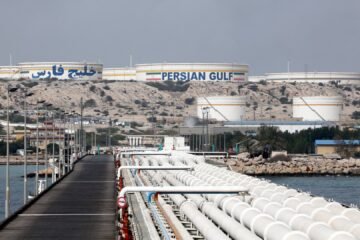
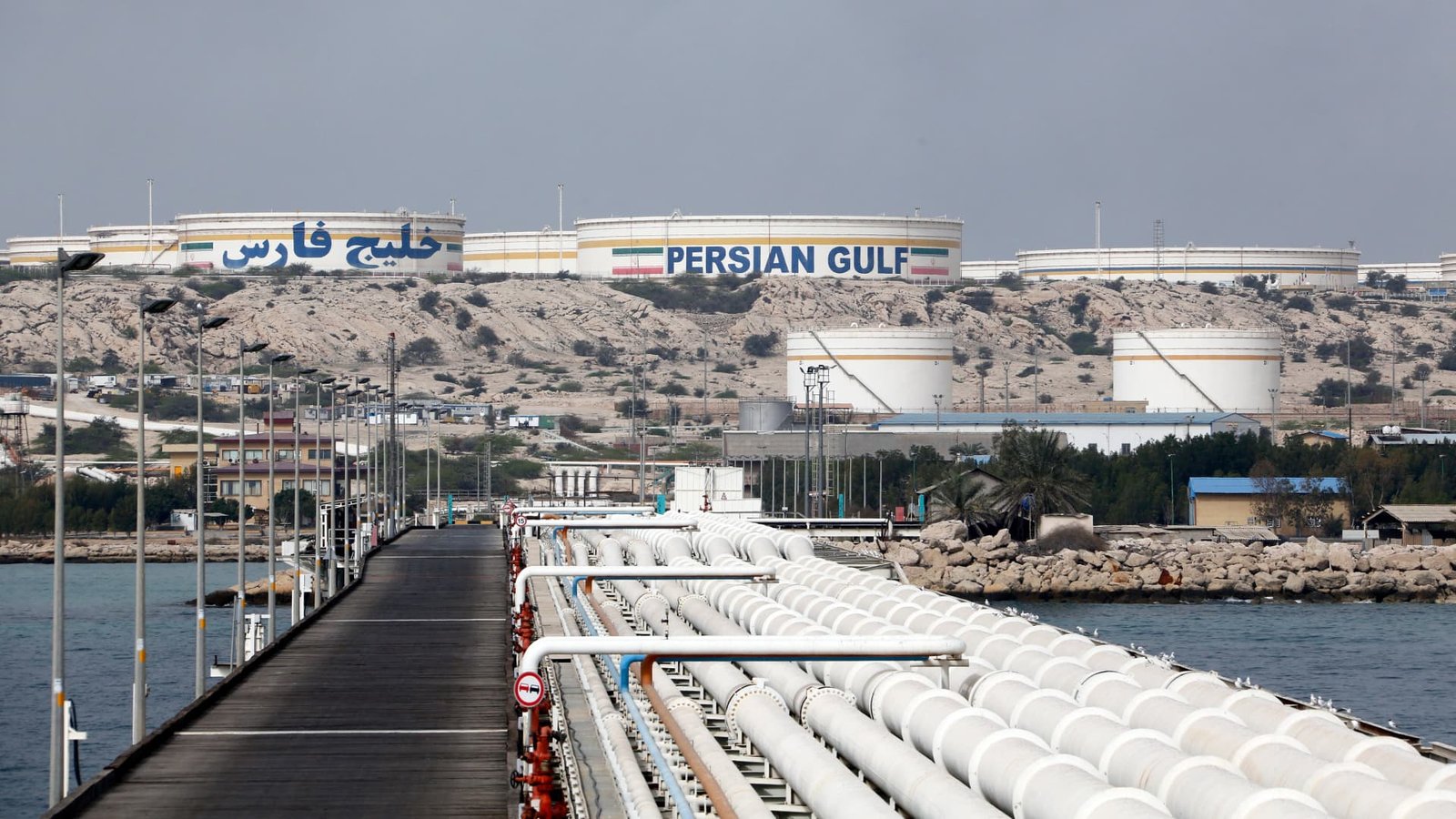
A picture taken on March 12, 2017, shows a view of an oil facility in the Khark Island, on the shore of the Gulf.
Atta Kenare | Afp | Getty Images
Crude oil prices rose Monday, as the U.S. and Iran teetered on the brink of a renewed war after attacks on commercial ships in the Strait of Hormuz.
West Texas Intermediate futures for May delivery rose about 6% to $88.93 per barrel by 12.21 a.m. ET. International benchmark Brent for June delivery advanced nearly 5.63% to $95.48.
The U.S. Navy on Sunday fired on an Iranian container ship in the Gulf of Oman, and the Marines later took custody of the ship, President Donald Trump said. The ship had tried to get past the U.S. naval blockade of Iran’s ports, Trump said in a Truth Social post.
The U.S. seizure of the ship came after Iran attacked a tanker in the Strait of Hormuz on Saturday. Revolutionary Guard gunboats fired on the tanker and a container ship was hit by an unknown projectile, according to the United Kingdom Maritime Operations Centre.
Trump on Sunday threatened again to blow up every power plant and bridge in Iran if its leaders do not accept a deal with the U.S. The ceasefire agreement between the U.S. and Iran will expire this week. Trump called Iran’s weekend attacks on ships a “total violation” of the truce.
It is unclear whether the U.S. and Iran will meet for a second round of peace negotiations in Pakistan.
Trump said the U.S. and Iran would hold talks in Islamabad on Monday. But Iran said it would not attend due to the ongoing U.S. naval blockade, among other grievances, according to state news agency IRNA.
The sudden escalation in tensions over the weekend came after the U.S. and Iran appeared to be nearing an agreement at the end of last week.
Oil prices tumbled on Friday after Iran suddenly declared the strait completely open to commercial traffic in response to the U.S.-brokered ceasefire agreement in Lebanon. But it quickly became clear that Tehran was imposing the same conditions for transit through the strait as before.
Trump, meanwhile, refused to lift the U.S. naval blockade of Iran. Tehran reversed course and said the strait would remain closed until the blockade is lifted.
WATCH: Shipowners cautious about sending vessels through the Strait of Hormuz