A veneer of normality has returned to Tehran, but fears for the future are rife | Iran
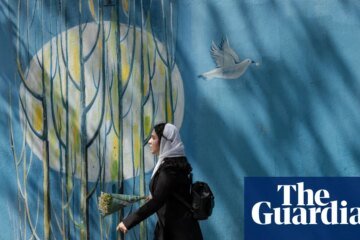
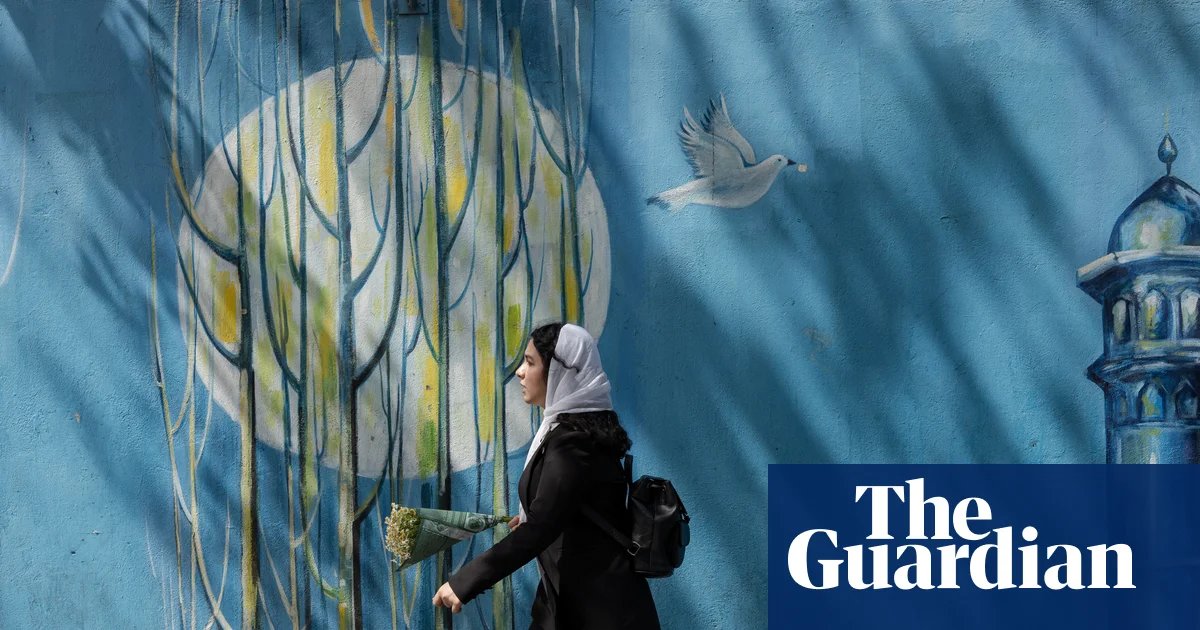
In the weeks since the fragile ceasefire with the US and Israel took hold, life in Tehran has – on the surface at least – largely returned to something like pre-war normality. Many security checkpoints have been taken down, coffee shops are bustling, parks are full of people gathering for picnics, musicians are playing again in the streets, highways are jammed with traffic and the metro – free to use since the war – runs packed.
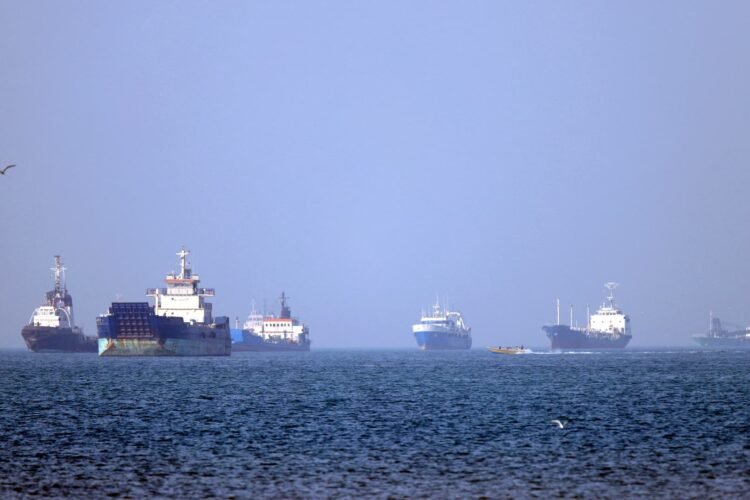
But underlying worries run deep, and many Iranians fear the war could return at any moment. The uncertainty was underlined on Monday when the US and Iran launched fresh attacks in the Gulf as the two sides continue to blockade of the strait of Hormuz. The war’s economic toll has been severe too. Many people have lost their jobs and inflation is surging. The International Monetary Fund estimates it could reach 70% this year.
Sara, 24, lost her job teaching art at an after-school centre when it shut down at the start of the war on 28 February. She has had no income since, no severance pay and has little to fall back on.
Online job platforms – still accessible through Iran’s restricted local network despite the wider internet shutdown – are flooded with people looking for work, and Sara knows that as a teacher, her prospects are slim. Schools have moved to online classes and after-school centres remain closed for now.
“I spend my free time with friends, or on the phone with my boyfriend in Canada,” she said, but she admitted that both the prospects of renewed war and inflation worried her.
Across Tehran, many are cutting back or are opting for free activities instead. Parks are crowded with people playing games and exercising, while restaurants are noticeably quieter. Larger bazaars are busy with people buying essentials or trying to earn a living. “Many vendors in the market had to shut down because of economic difficulties. The situation is very unstable,” said Sina, 25, a jewellery maker in the city’s Grand Bazaar.
For some, work has resumed, at least in part.
Mohammad Reza, 32, a high school Arabic teacher who also works at a private university-prep institute, said that since the ceasefire he was back to teaching online.
“My students are happy to be in class again, even the ones who were never particularly interested,” he said. “The war has been exhausting for them and they genuinely want to be together, even if it’s just in front of a screen.”
Alongside food and medicine, tuition fees at the private institute where he teaches have risen. “Families are still willing to invest in their children’s education, but it’s not easy,” he said.
Political repression continues. More than 20 people have been executed on national security-related charges since late February, many in connection with the January protests.
The UN High commissioner for human rights, Volker Türk, said he was “appalled that on top of the already severe impacts of the conflict, the rights of the Iranian people continue to be stripped from them”.
The head of Iran’s judiciary, Gholamhossein Mohseni Ejeai, has defended the executions, saying authorities would “not neglect … the legal punishment of criminals whose hands are smeared with the blood of our people”.
On the streets of Tehran, however, the executions are rarely discussed. “Everyone’s tired and exhausted from the war,” said one woman who spoke on condition of anonymity. “Most people are worried about their incomes and the economy. We know about the executions, but there are no protests, nothing. We’re just trying to live our lives.”
Sara, who took part in the Woman, Life, Freedom demonstrations in 2022, said the war had shifted her perspective, and that she was now taking part in anti-US protests.
“I’ve always been critical of my government,” she said. “But since the bombings and destruction, I’ve realised who our real enemies are, and we have to resist them.”
Tensions between Iran and the US remain high. Negotiations have stalled, and Washington’s recently announced “Project Freedom” – intended to escort stranded cargo ships through the strait of Hormuz – risks further escalation.
On Enghelab Street, one of Tehran’s main thoroughfares, none of this is visible. Jammed with traffic, home to bookshops, cafes, restaurants, and the city’s largest university, people are strolling past shop windows and catching up with friends.
Ali, 38, who works at one of the bookshops, said the transformation from deserted streets at the height of the war to something resembling normal life again has been overwhelming.
“I don’t think the ceasefire will collapse,” he said, perhaps trying to convince himself. “There will be no more war.”