traders weigh inflation and recession risks

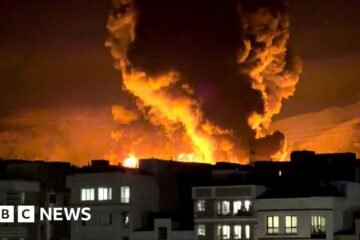
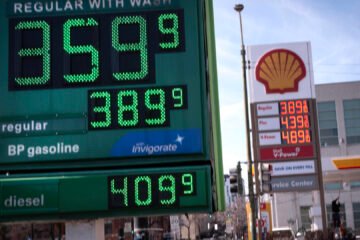
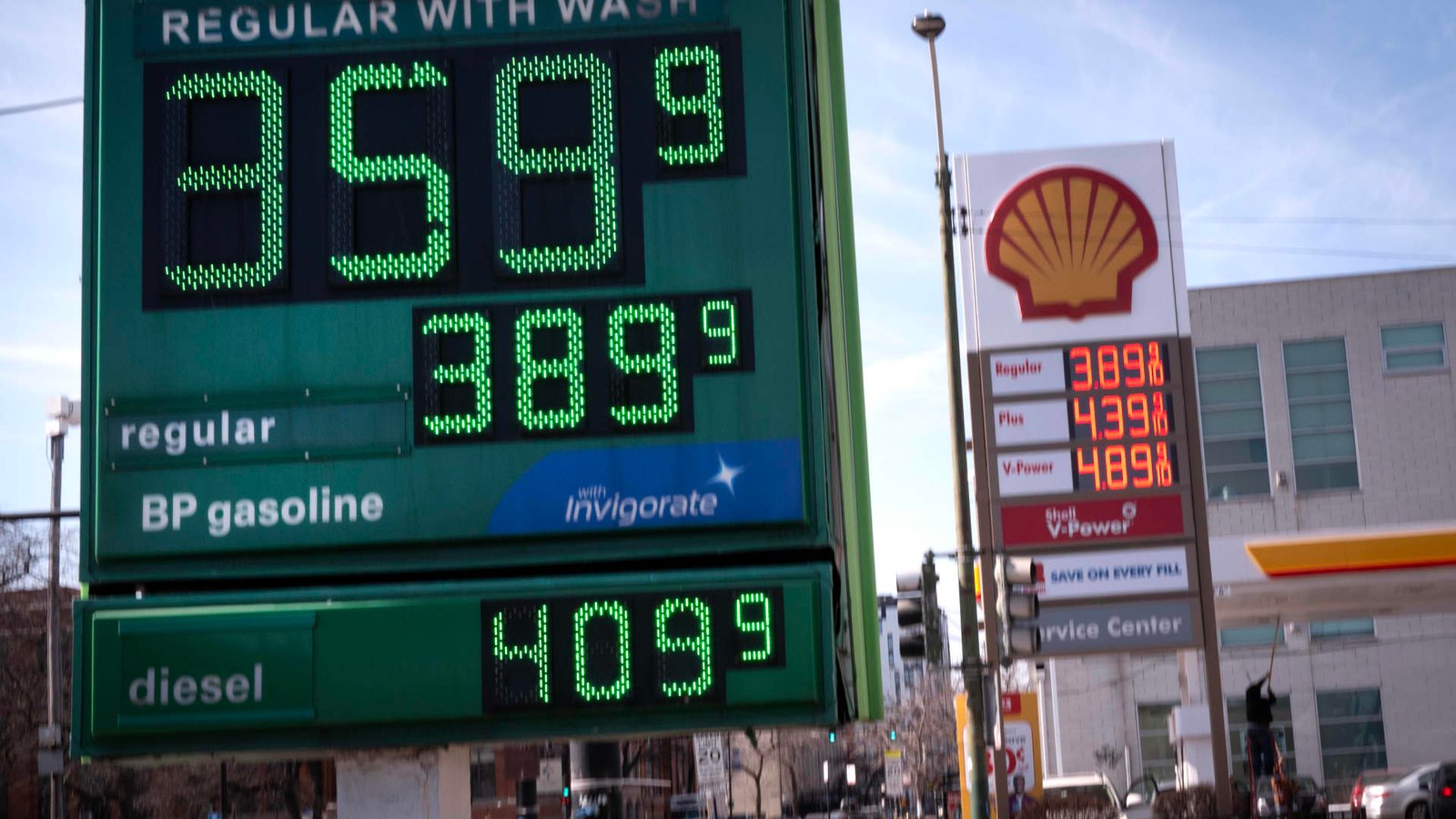
The rise in oil prices in the wake of the Iran war has sparked concerns about increasing energy costs translating into as more widespread spike in inflation, with some even forecasting $100-a-barrel could lead to a global recession.
West Texas Intermediate was last trading at almost $95 per barrel, and global benchmark Brent was at $99 per barrel.
“There’s been a bit of disbelief in the market,” Warren Pies, co-founder and strategist at 3Fourteen Research, said on CNBC’s “Money Movers,” noting that the market is currently worried about inflation and the Federal Reserve’s interest rate outlook. “It’s probably rational, but everything is basically priced for a quick pivot here, and that includes the bond market.”
The surge in oil prices came after Iran, Kuwait and the United Arab Emirates slashed oil production following the effective closure of the Strait of Hormuz due to the war that began Feb. 28.
Group of Seven energy ministers will meet virtually early Tuesday to discuss a possible release of oil reserves to combat the supply disruption.
If there’s no response and millions of barrels a day are essentially unaccounted for, oil prices will need to “go to a level that starts to kill demand and ration that, and that’s recessionary,” Pies added. “I think the first tell that we’re getting to that point in the economy will be [Treasury] yields starting to come down.”
Less immediately, investors are looking ahead to a busy week of economic data, including February inflation data on Wednesday, followed by the January personal consumption expenditures index and JOLTs job opening figures on Friday.
Federal Reserve officials are in a pre-meeting blackout period ahead of their two-day meeting to decide on interest rate policy, set for March 17-18.
— CNBC’s Eamon Javers and Spencer Kimball contributed to this report