Sherrill signs New Jersey law limiting face coverings for law enforcement, including ICE agents
New Jersey is the latest state to limit when law enforcement officers, including federal immigration agents, can wear face coverings
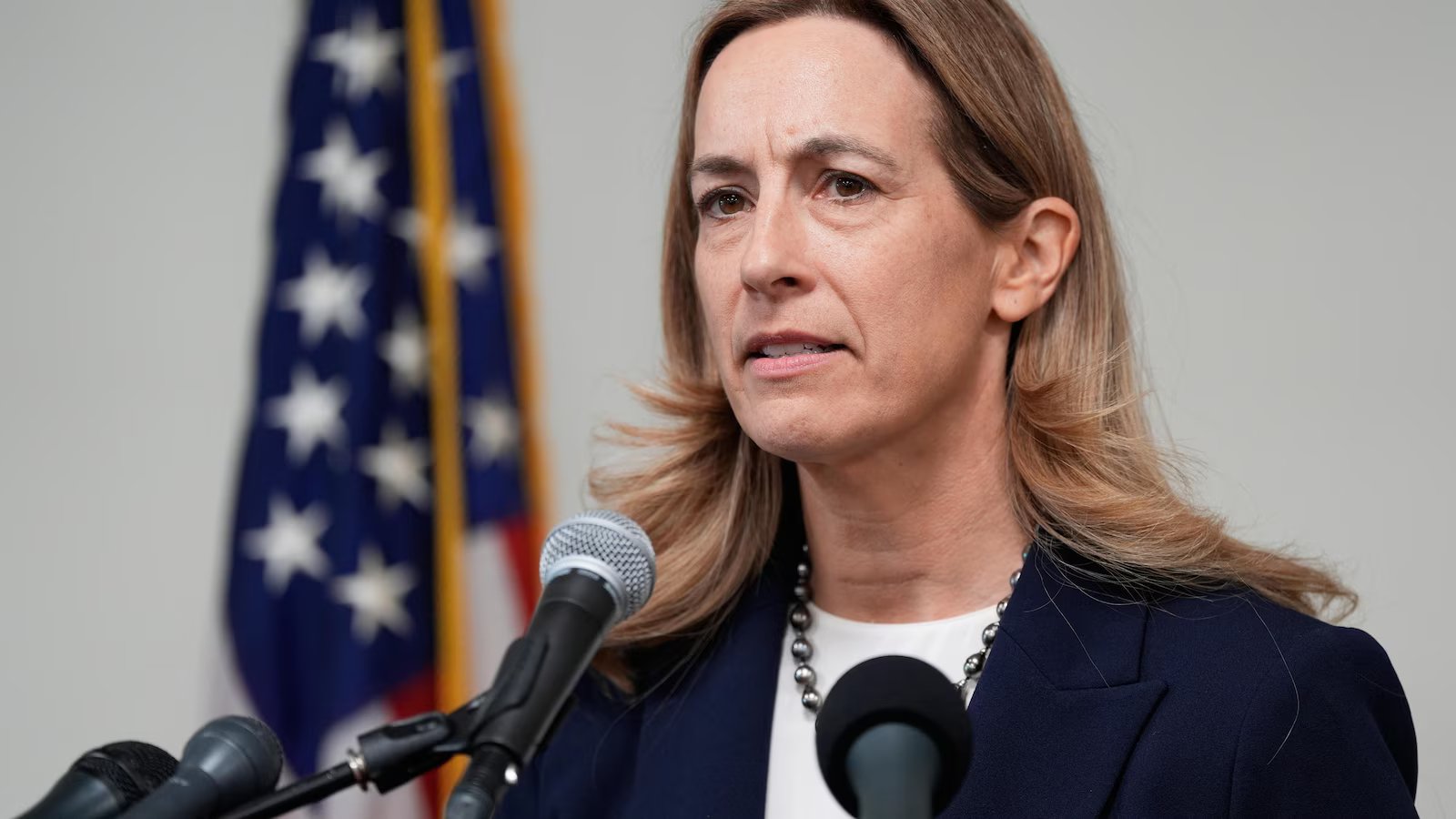
TRENTON, N.J. — Democratic Gov. Mikie Sherrill signed legislation Wednesday limiting face coverings worn by law enforcement, including federal ICE agents, making New Jersey the second state this year to enact such a law.
Washington state’s Democratic governor, Bob Ferguson, signed a similar law earlier this month while Democratic-led legislatures in other states have passed or are considering such restrictions as well.
Sherrill, who took office Jan. 20, has been critical of the Trump administration’s immigration enforcement efforts and said Wednesday the anti-mask provision is part of a multipronged effort to keep the residents of New Jersey safe.
“I can’t believe we have to say this, but in the United States of America, we’re not going to tolerate masked roving militias pretending, pretending to be well-trained law enforcement agents,” she said. The new law also requires officers to present identification prior to arresting or detaining someone.
The mask measure is part of a package of bills Sherrill said will “protect people’s privacy and their rights” and “strengthen trust between law enforcement and our communities.”
A message was left seeking comment with the U.S. Department of Homeland Security. The agency previously denounced the new Washington state measure as “irresponsible, reckless and dangerous.”
“To be crystal clear: we will not abide by this unconstitutional ban,” the department said in a statement at the time.
The Trump administration is already is suing New Jersey over Sherrill’s Feb. 11 executive order that prohibits federal immigration agents from making arrests in nonpublic areas of state property, such as correctional facilities and courthouses. It also bars the use of state property as a staging or processing area for immigration enforcement.