Iran’s ambassador to Saudi Arabia denies attacks on its oil facilities | US-Israel war on Iran News
Alireza Enayati says relations with Saudi Arabia are ‘progressing naturally’ and he’s in direct contact with Saudi officials.
Published On 15 Mar 2026
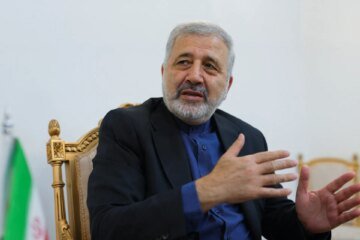
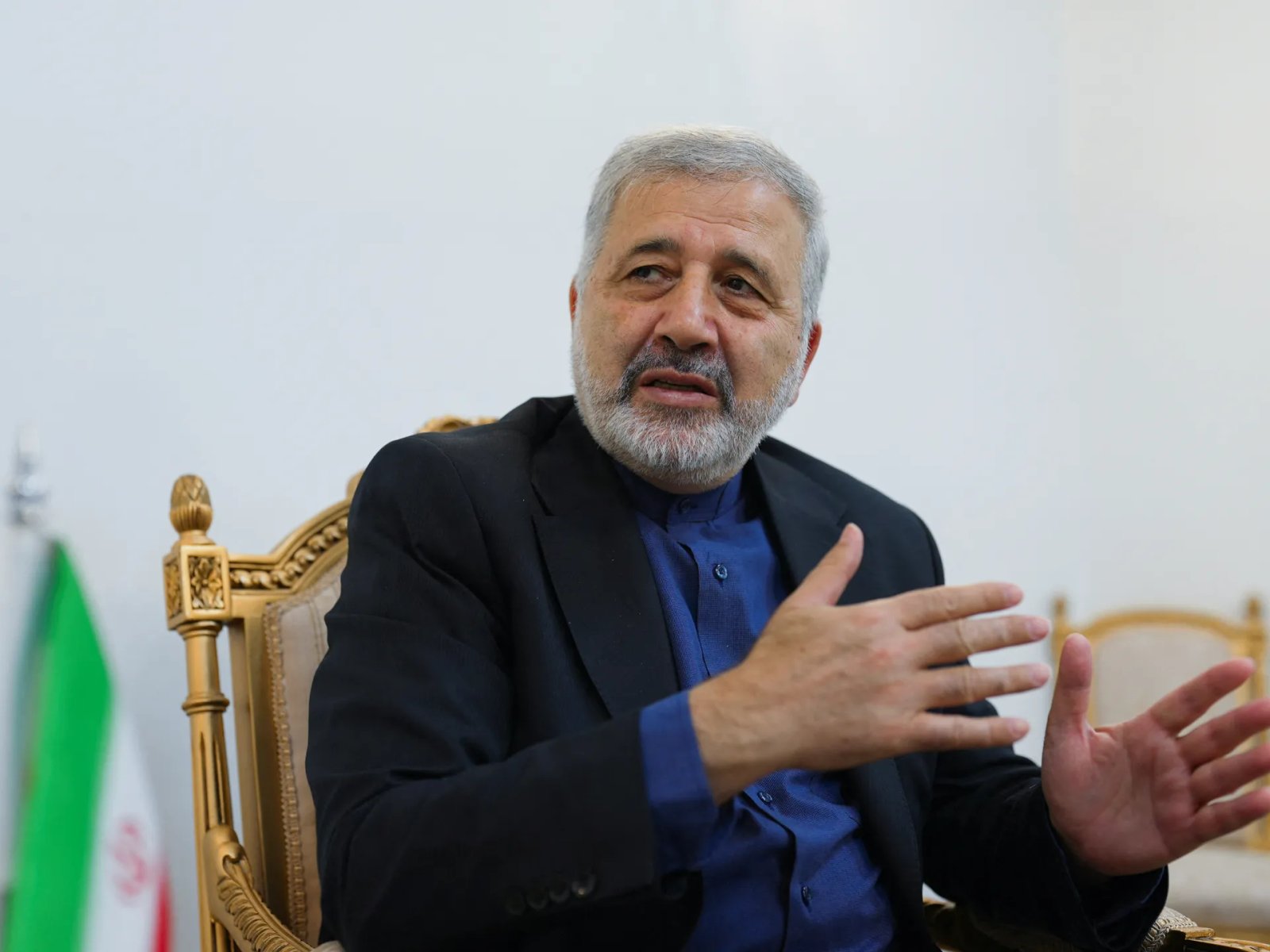
Iran’s ambassador to Saudi Arabia denied Tehran is responsible for attacks on Saudi Arabia’s oil infrastructure, saying if it was behind the strikes, it would have announced it.
Alireza Enayati did not suggest who carried out the attacks, but added Iran is only attacking United States and Israeli military targets and interests during the ongoing war, Reuters news agency quoted him as saying on Sunday.
Recommended Stories
list of 4 itemsend of list
After the US and Israel launched attacks on Iran at the end of February, Tehran retaliated against US and Israeli military assets, including in Saudi Arabia, Qatar, Bahrain, Jordan, Iraq, and the United Arab Emirates (UAE).
Last week, the Ras Tanura oil refinery was forced to stop operations after debris from a drone caused a small fire. Attempted attacks were also reported on the Shaybah oilfield in the desert near the border with the UAE.
So far, Saudi Arabia’s Defence Ministry has not blamed anyone for the attacks.
Enayati said he’s in direct contact with Saudi officials, explaining that relations are “progressing naturally” in many areas.
Talks included Saudi Arabia’s publicly stated position that its land, sea, and air would not be used to target Iran. He didn’t elaborate.
Iran and Saudi Arabia re-established diplomatic relations in 2023, in a deal brokered by China, that saw the two sides, which backed rival groups across the region, agree on a new chapter in bilateral relations.
‘Reliance on external powers’
Enayati reiterated to the Gulf states that the war “has been imposed on us and the region” following coordinated US and Israeli attacks.
Asked about the attacks on Gulf nations, Enayati replied: “We are neighbours, and we cannot do without each other; we will need a serious review.”
“What the region has witnessed over the past five decades is the result of an exclusionary approach and an excessive reliance on external powers,” he said, calling for deeper ties between the Gulf Cooperation Council’s six members along with Iraq and Iran.
Iran’s Foreign Minister Abbas Araghchi also denied his country is targeting civilian or residential areas in the Middle East, and said Tehran is ready to form a committee with its neighbours to investigate the responsibility for such strikes.
So far, the UAE, which normalised relations with Israel in 2020, has faced the brunt of Iran’s attacks, with US bases and oil refineries heavily targeted.
While all countries targeted have strongly condemned Iran’s missile and drone strikes, regional sources say there remains growing frustration at the United States for dragging them into a war they did not sign up for but are now paying the heaviest price for, Reuters reported.
Enayati said to resolve the conflict, the US and Israel need to stop their attacks, and international security guarantees to prevent future “aggression” must be given.
Paul Musgrave, associate professor at Georgetown University in Qatar, said the administration of US President Donald Trump has lost much of its leverage in the region, and the US engaged in the wrong conflict at the wrong moment, without proper planning.
Iran’s strategy, meanwhile, now seems to be “not who has a bigger bomb or bigger munitions, but who has the highest threshold for pain”, Musgrave told Al Jazeera.