U.S. threatens sanctions and military action against Oman
A man views the Rasool al-Adham mosque from the corniche at Sultan Qaboos port in Oman’s capital Muscat on February 5, 2026.
Loic Venance | Afp | Getty Images
The Trump administration’s threats against Oman, a longtime U.S. ally, have thrown a country known for cultivating a reputation as the “Switzerland of the Middle East” firmly into the geopolitical spotlight.
Positioned on the southeastern coast of the Arabian Peninsula and facing Iran across the strategically vital Strait of Hormuz, Oman has served as a key intermediary in regional crises, including the U.S. and Israeli-led war against Iran.
Treasury Secretary Scott Bessent on Thursday warned the U.S. would “aggressively” impose sanctions against Oman if it helped Iran to establish a tolling system in the Strait of Hormuz, a waterway that typically handles around 20% of the world’s global oil traffic.
“Oman, in particular, should know that the U.S. Treasury will aggressively target any actors involved – directly or indirectly – in facilitating tolls for the Strait and any willing partners will be penalized,” Bessent said in a post on X.
“All nations should reject outright any efforts by Iran to disrupt the free flow of commerce.”
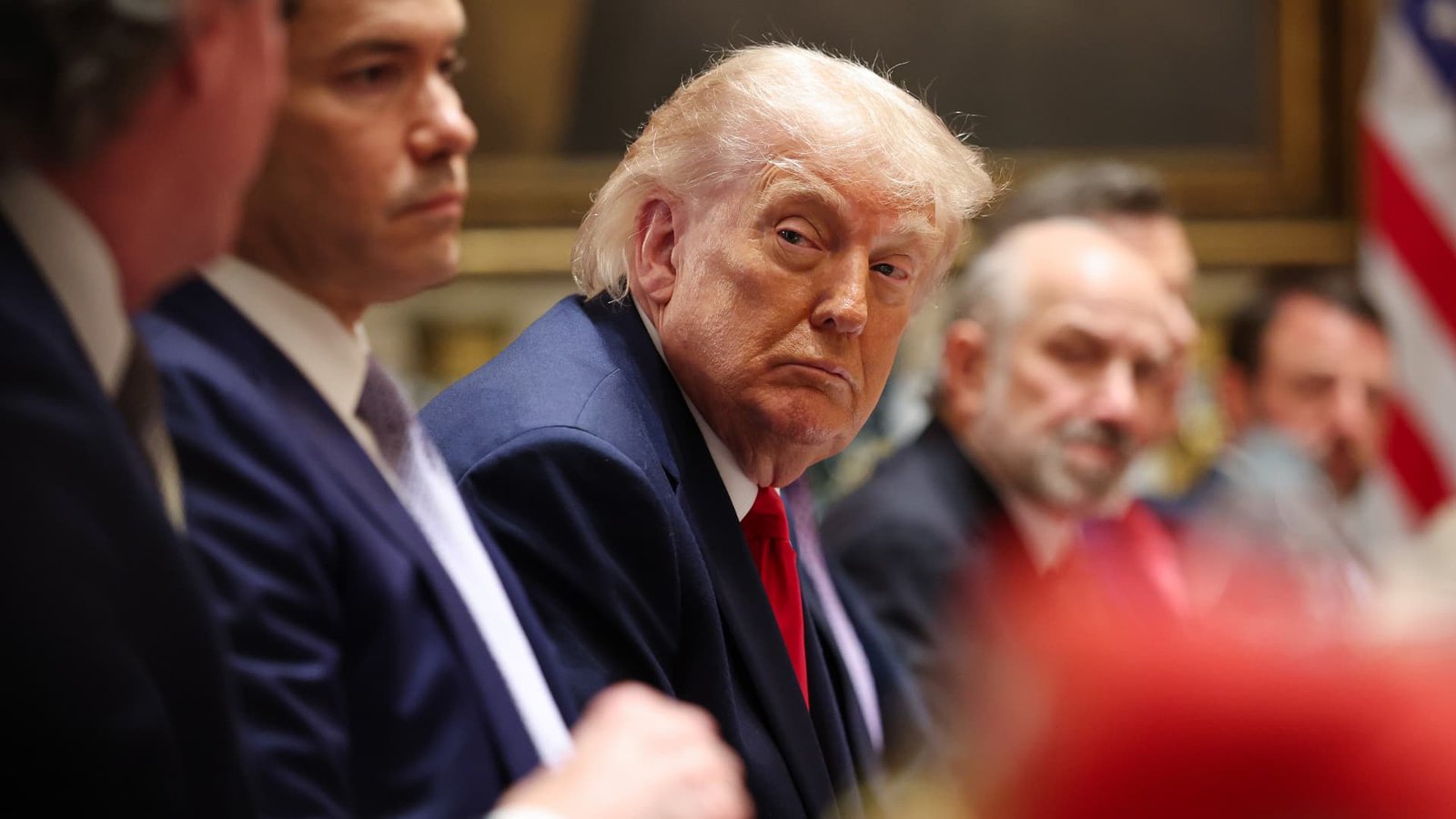
His comments came less than 24 hours after President Donald Trump appeared to threaten military action against the Gulf partner.
When asked by a reporter during a cabinet meeting for his thoughts on Oman and Iran overseeing trade through the Strait of Hormuz, Trump said, “Oman will behave just like everybody else, or we’ll have to blow them up. They understand that. They’ll be fine.”
CNBC has contacted a spokesperson for Oman’s Foreign Ministry and is awaiting a response. Iran has previously indicated it could jointly manage the Strait of Hormuz, alongside Oman, although Muscat has not said it is seeking control over one of the world’s most important oil chokepoints.
Geopolitical analysts said U.S. threats against Oman, a close economic and security partner, marked a highly unusual change in posture.
Brian Katulis, senior fellow at the Middle East Institute, a Washington-based think tank, said Oman plays an important role in the Strait of Hormuz because of geography, with its territory on the western side of the waterway. He noted that the country has a longstanding policy to uphold the open flow of oil and other goods.
U.S. President Donald Trump (C) listens as U.S. Interior Secretary Doug Burgum (L) speaks alongside U.S. Secretary of State Marco Rubio and U.S. Commerce Secretary Howard Lutnick during a Cabinet meeting in the Cabinet Room of the White House on May 27, 2026 in Washington, DC.
Win Mcnamee | Getty Images News | Getty Images
“It also sees itself as the ‘Switzerland’ of the Middle East – a mediator that talks with all parties and seeks to maintain positive relations with all countries,” Katulis told CNBC by email.
“Trump’s threats against Oman are a sign of his frustration and his desperation about his own inability to produce the results he had hoped for in Iran,” Katulis said. “It’s yet another example of his performative diplomacy and use of troll power that is not likely to be anything more than just words.”
Trump’s Oman warning
Mehran Haghirian, director of research and programmes at the Bourse & Bazaar Foundation, an economic think tank, said Trump’s warning against Oman was the first time the U.S. had threatened to attack a GCC state.
“This was in response to a question about recent reports suggesting Iran & Oman are coming up with a new mechanism on the Strait of Hormuz, not including tolls, but shared ‘control’. Control is what Iran & Oman will retain for the rest of time thanks to geography,” Haghirian said Wednesday via social media.
“What he said was likely not deliberate and stems from his disdain toward the Omani FM because of Al Busaidi’s mediation back in February. Regardless, there will need to be statements issued by the GCC to condemn Trump’s words,” he added.
Vessels are seen anchored in the Strait of Hormuz, off the port city of Khasab on Oman’s northern Musandam Peninsula on May 17, 2026.
– | Afp | Getty Images
Sen. Chris Murphy, D-Conn., sharply criticized the president for his comments regarding Oman.
“The threat to ‘blow up’ Oman, a U.S. ally and key intermediary in talks with Iran, is just one more sign of why this war has gone off the rails. They are in constant panic mode, making mistake after mistake,” Murphy said in a post on social media on Thursday.
A White House spokesperson was not immediately available to respond.
The U.S. and Iran reached a deal to extend their ceasefire and lift restrictions on shipping through the Strait of Hormuz, Reuters reported on Thursday, citing unnamed sources familiar with the matter, although Trump has yet to approve the agreement and Iranian state media said it had not been finalized.