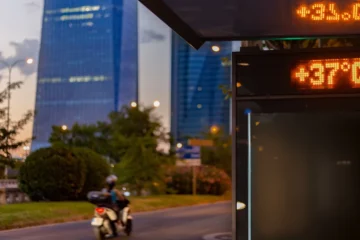
Europe whiplashed from Arctic chill to record-threatening heat dome with temperatures 27 F above normal
Europe is heading into a dramatic late-spring weather swing, with forecasters warning that a powerful heat dome could send temperatures soaring just days after an unusually cold Arctic blast.
In some areas, highs could climb roughly 15 degrees Celsius (27 degrees Fahrenheit) above normal for late May, pushing parts of the continent toward record heat, according to Severe Weather Europe.
What’s happening?
A strengthening upper-level ridge was forecast to expand from Northwest Africa into Western and Central Europe through the final two weeks of May, creating what meteorologists call a heat dome, Severe Weather Europe reported.
The result could bring the first widespread burst of summerlike heat of the season. Forecasts showed Spain and Portugal climbing into the mid- to upper-30s C (34-39 C is 93.2-102.2 F), while France, the United Kingdom, Benelux, and parts of Central Europe could rise into the upper 20s and low 30s (27-33 C is 80.6-91.4 F).
Forecast models cited by Severe Weather Europe suggested upper-level conditions may approach near-record values for May. The warmest air should be centered over Iberia, France, Benelux, and the U.K. through the weekend and early next week before extending farther north and east.
Why does it matter?
Heat domes are more than just uncomfortable stretches of hot weather. Because sinking air suppresses cloud formation and helps temperatures build day after day, these patterns can increase the risk of dehydration, heat exhaustion, and heat stroke, especially for older adults, children, people with chronic health conditions, and outdoor workers.
Worsening extreme weather disasters also endanger lives and livelihoods in ways that stretch beyond daily forecasts. Dangerous heat can strain hospitals, disrupt outdoor jobs such as farming and construction, reduce productivity, and raise cooling costs for households and businesses.
It can also threaten community safety when vulnerable residents lack access to cool shelter or reliable transportation.
Humidity can make conditions even more dangerous because it limits the body’s ability to cool itself. That is why forecasters often emphasize not just air temperature but how hot it feels.
What can I do?
The most immediate step is to keep an eye on local forecasts since the hottest conditions will shift by region over several days. If you live in or are traveling through Western or Central Europe, plan outdoor activities for cooler morning or evening hours and avoid strenuous exertion during peak afternoon heat.
It is also smart to hydrate early and often, wear lightweight clothing, and check on neighbors who may be vulnerable to extreme temperatures. If your home traps heat, close blinds during the day and ventilate when temperatures drop at night.
Long-term heat events are a reminder to understand risks before summer arrives. Knowing where to find cooling centers, reviewing heat-safety plans, and learning more about climate-driven weather extremes can help households prepare before dangerous conditions hit.
Get TCD’s free newsletters for easy tips, smart advice, and a chance to earn $5,000 toward home upgrades. To see more stories like this one, change your Google preferences here.