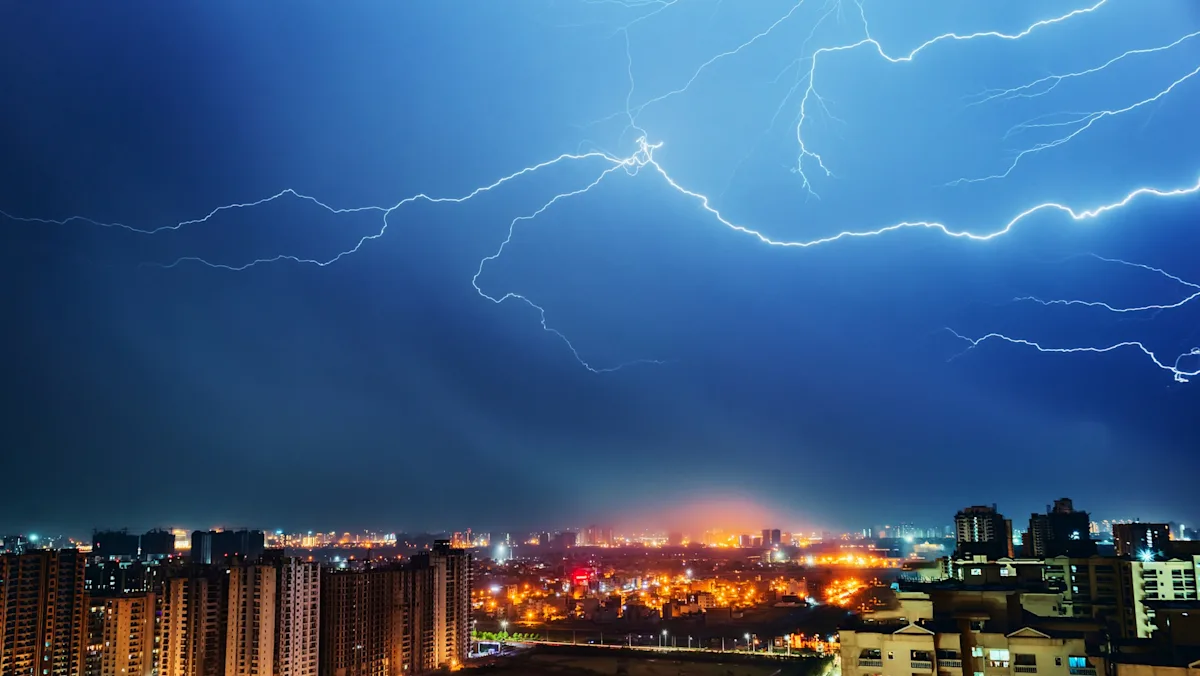
Violent storm kills more than 100 in India as lightning and hail tear through region
A violent storm in India’s Uttar Pradesh has underscored just how deadly severe weather can be in the country’s most populous state. According to Reuters, more than 100 people were killed after powerful winds, rain, hail, and lightning swept through the state, toppling trees and damaging homes and roadside businesses.
What happened?
A powerful storm moved through Uttar Pradesh on May 13, bringing intense rain, hail, and lightning, along with winds strong enough to uproot trees and tear down billboards.
Reuters, citing a government official, said roughly 104 deaths were linked to the storm.
A state relief official told the outlet that some of the deaths were caused by collapsing walls and falling trees.
Storms regularly hit northern India in the March-to-June hot season, before the yearly monsoon begins. But even seasonal weather can become deadly in minutes when high winds, lightning, and fragile infrastructure collide in crowded areas.
Why is this concerning?
Extreme weather events like this threaten lives and livelihoods. They can cause traumatic injuries, deaths, and displacement, while damaging homes, vehicles, shops, roads, and other infrastructure. Their effects can increase financial pressure on families and communities already struggling. When storms destroy property and disrupt transportation or small businesses, the economic fallout can last long after the skies clear.
These disasters are also a major public health risk. Lightning strikes, collapsing walls, flying debris, and flooding can all endanger people, while damaged housing and interrupted services can make recovery more difficult. Community safety suffers when emergency response systems are stretched thin, and economic stability can quickly erode when workers lose income or face expensive repairs.
Scientists have warned that rising global temperatures can make some types of extreme weather more dangerous by adding more heat and moisture to the atmosphere. While no single storm can be attributed to long-term planetary warming alone, the larger trend is becoming harder to ignore: More communities are being forced to cope with destructive weather events that intensify quickly and hit hard.
India faces especially high risks because of its large population.
What’s being done about extreme weather in India?
In the aftermath of deadly storms, the most urgent priorities are emergency response, shelter, medical care, and recovery support for affected families. Reuters noted that the chief minister ordered relief funds to be distributed within 24 hours of the storm.
At a broader level, cutting the pollution that is overheating the planet remains essential to limiting future weather-related damage. Communities and governments can also invest in resilience measures that protect people before disaster strikes, such as emergency planning, tree management, drainage upgrades, and safer housing.
For individuals, staying aware of local weather alerts, having an emergency plan, and supporting policies that improve disaster readiness can make a meaningful difference. And for anyone looking to better understand the growing risks tied to worsening weather, The Cool Down’s critical issues guide is a helpful place to start.
Get TCD’s free newsletters for easy tips, smart advice, and a chance to earn $5,000 toward home upgrades. To see more stories like this one, change your Google preferences here.