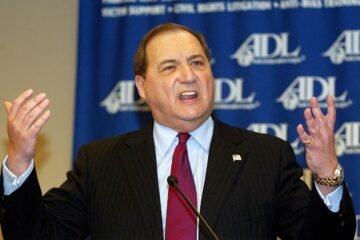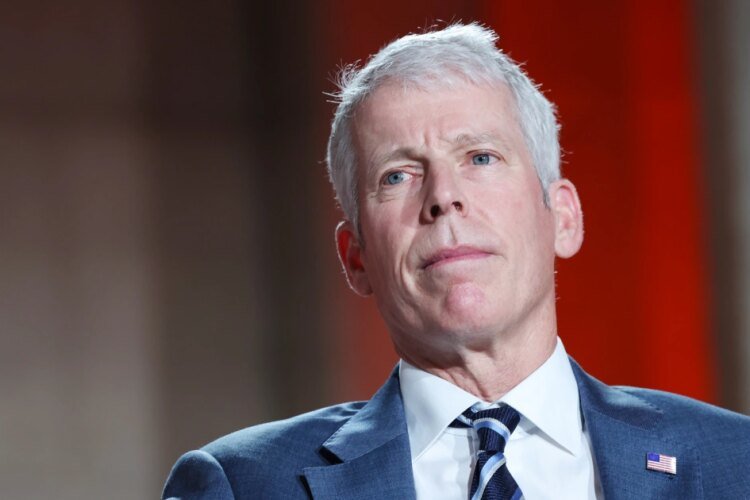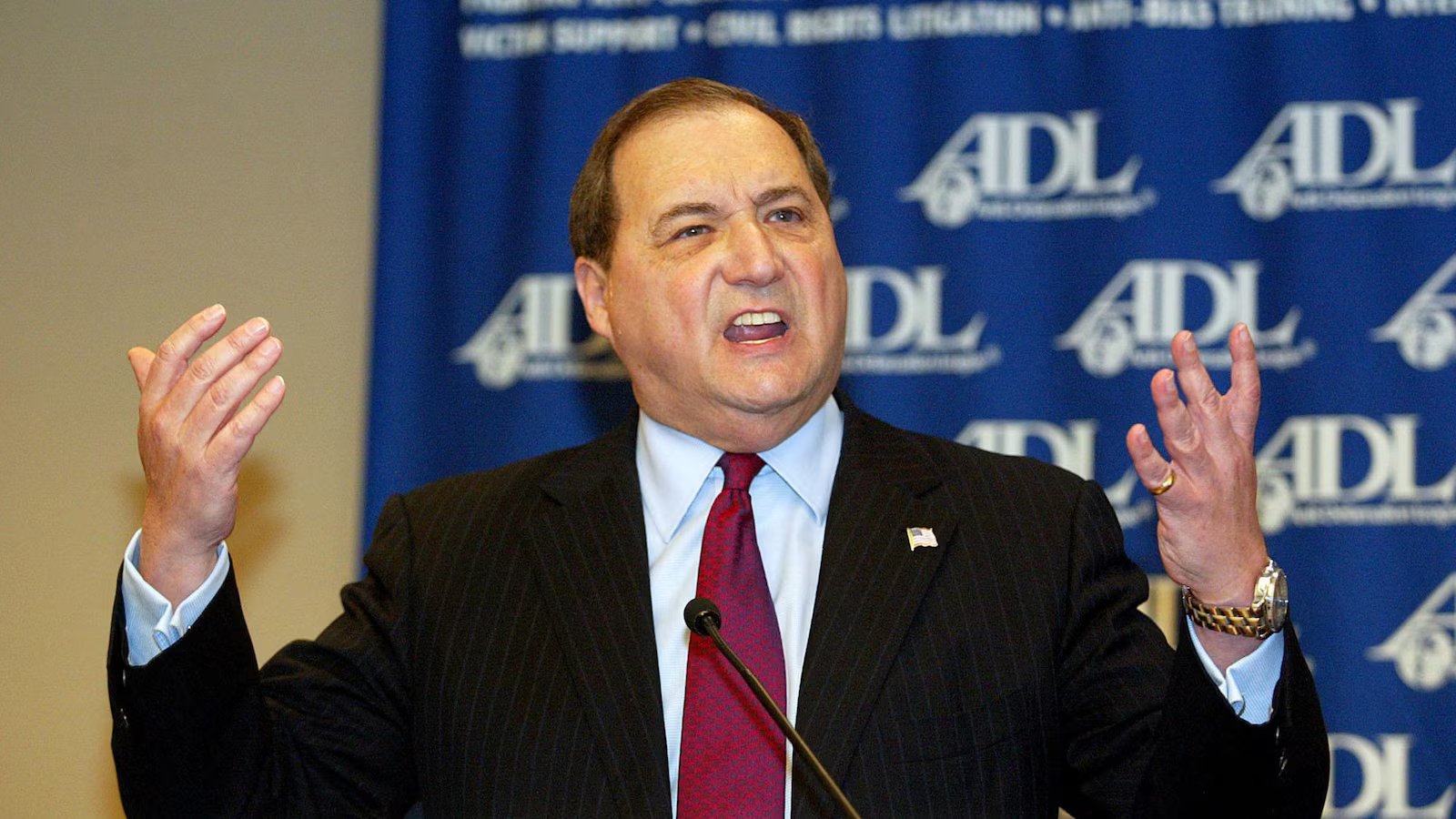
Abe Foxman, advocate for American Jews as longtime head of Anti-Defamation League, dies at 86
NEW YORK — Abraham H. Foxman, who was a forceful advocate for American Jews as national director of the Anti-Defamation League for nearly three decades, has died, the ADL said Sunday. He was 86.
The ADL said in a statement that it “deeply mourns the loss of our longtime national director,” without providing details about where and when Foxman died.
Over 28 years as head of the ADL before retiring in 2015, Foxman counseled presidents and diplomats, CEOs and celebrities. He took on prominent figures over antisemitic remarks or representations and accepted any ensuing apologies on behalf of an entire community.
“Abe’s voice was heard –- and listened to -– by popes, presidents, and prime ministers, a voice he used wherever Jews were at risk,” Jonathan Greenblatt, ADL’s current director, said in a statement. “Abe Foxman spoke on the global stage with moral authority and clarity and was relentlessly dedicated to his pursuit of a world without hate.”
Born in 1940 to Polish Jews in what’s now Belarus, Foxman survived the Holocaust after a nanny had him baptized as a Catholic to conceal his Jewish identity. He was reunited with his parents after the war and the family moved to New York.
After earning a law degree, Foxman joined the ADL as a staff lawyer. He spent his entire 50-year career with the group, becoming a leading national voice against antisemitism and hate. He was named the organization’s national director in 1987.
Upon his retirement, Foxman told The Associated Press that he worried that the internet was giving bigots a way to spread their beliefs “not only anonymously but at the speed of light.”
The ADL was founded in 1913 with a mandate to fight antisemitism and all bias. But the emphasis differed over time depending on who was in charge and the issues of the day.
Foxman faced criticism that the ADL put too many resources into non-Jewish issues. Under him, the organization built a formidable research arm into white supremacists and other extremists, advocated for immigrant and gay rights, conducted diversity training for law enforcement and developed programs for schools on issues ranging from the Holocaust to the 1964 Civil Rights Act to the impact of bullying.
Foxman long endured objections that he overreacted to perceived slights against the Jews and was too quick to condemn. Yet he was also chided for too easily forgiving and embracing those who repented their anti-Jewish remarks.
Foxman said it was essential to accept apologies, especially from those who can serve as prominent allies for Jews.
“If you don’t let them change, then you become the bigot.”