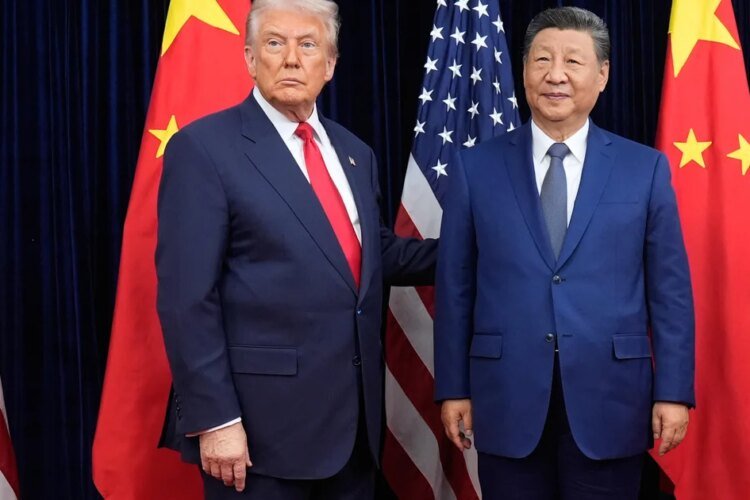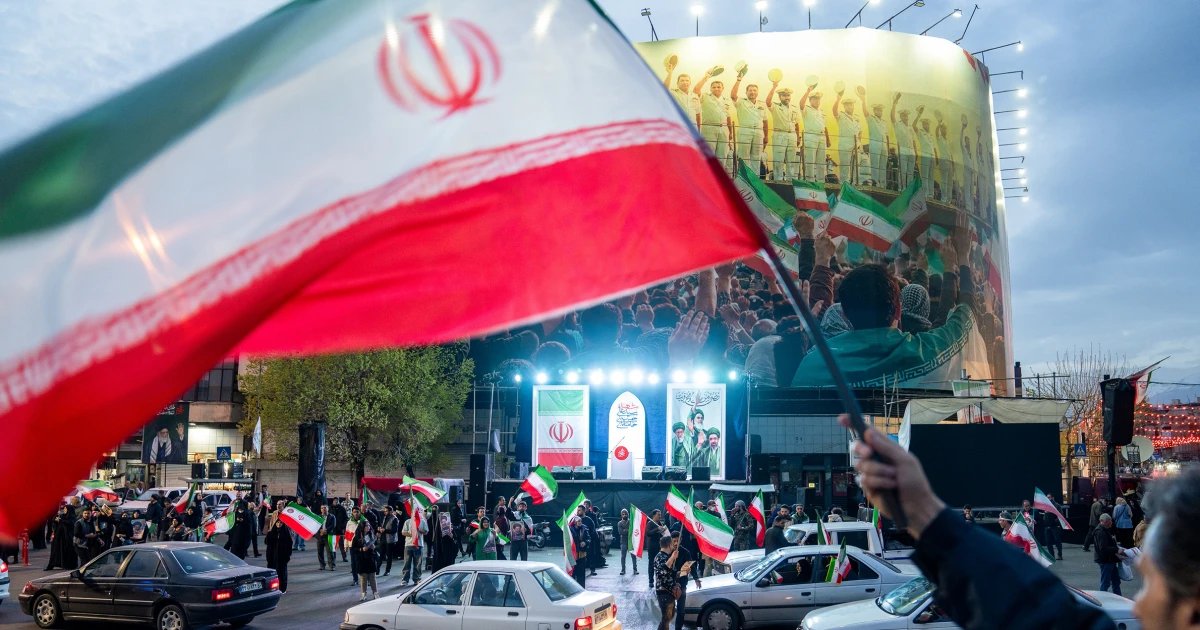
Trump backs off power plant strikes, Iran war goes on amid talks
Though markets responded positively to Trump’s turnaround, it was swiftly followed by a new round of Israeli strikes in the heart of Tehran.
The war Israel launched alongside the U.S. on Feb. 28 continued, as did Iran’s stranglehold on the Strait of Hormuz.
That has left the world facing a worse energy crisis than the oil shocks of the 1970s and the impact of the war in Ukraine combined, International Energy Agency Executive Director Fatih Birol warned early Monday.
Trump gave Iran 48 hours Saturday to reopen the strait, a waterway through which around 20% of the world’s oil passes, threatening on Truth Social to bomb Tehran’s power plants if the demand was not met.
But Iranian officials showed no sign of relenting, warning the country could strike electricity targets across the Persian Gulf and even hit plants that supply the region with drinking water. As the U.S. sped the deployment of Marines and amphibious assault ships to the Middle East, Tehran also threatened to close and mine the Gulf if it faced a coastal invasion.
Iran has so far shown no sign of capitulating to the American-Israeli assault, despite the killings of its supreme leader and other senior officials.
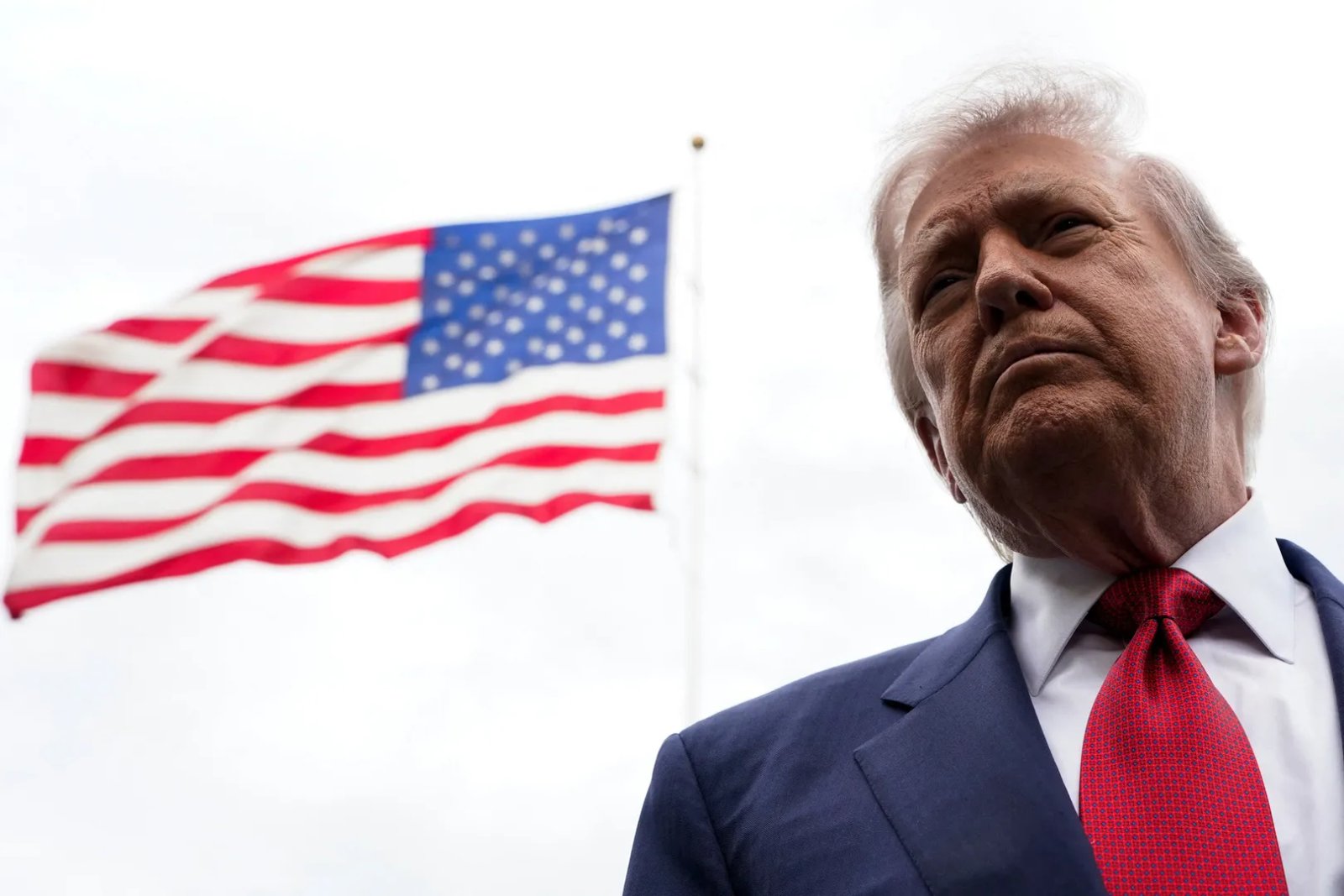
Trump told reporters on the tarmac in West Palm Beach, Florida, that Iran had called the U.S. in a bid to “make a deal” and resolve the war diplomatically. He said 15 points had been discussed, including Iran’s never being able to attain a nuclear weapon.
“There’s got to be a good deal, and it’s got to be no more wars, no more nuclear weapons,” he said. “They’re not going to have nuclear weapons anymore.”
Trump said that Israel would be “very happy” with such a deal. He declined to say whom the U.S. was talking to in Iran, adding that his special envoy, Steve Witkoff, and son-in-law Jared Kushner were leading the talks.
Rhetoric between the two sides ratcheted up over the weekend.
Asked Sunday on NBC News’ “Meet the Press” whether the U.S. was scaling back the war or escalating, Treasury Secretary Scott Bessent said those two things were “not mutually exclusive.”

FORSUBSCRIBERS
14:59
Scott Bessent defends administration asking Congress for more war funds
00:0000:00
“Sometimes you have to escalate to de-escalate,” he said.
Asked whether Washington could use troops to secure the Strait of Hormuz or for any other reason, he said Trump would not “give away what we’re going to do.”
He also warned that “all options” were on the table to secure Kharg Island — a critical hub for Iran’s oil production, which the U.S. bombed last week — including the deployment of troops.
In the meantime, with Iranian attacks on shipping in the area having effectively closed the strait, oil prices have rocketed globally, with retail gas prices rising 93 cents per gallon and the price of U.S. crude oil going up more than 70% since the start of the year.