Some of the world’s poorest countries to lose UK aid due to 56% budget cut | Global development
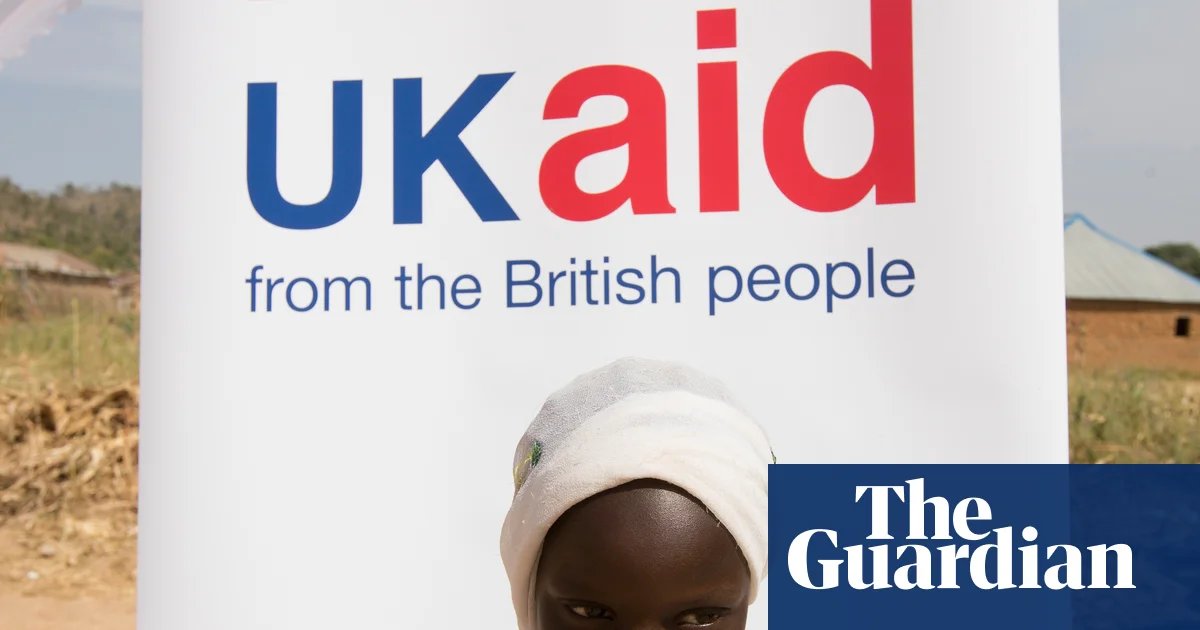
Some of the world’s poorest countries will lose out on UK aid that funds programmes such as schools and clinics due to budget cuts set out by the foreign secretary.
The UK’s bilateral aid to Africa will be cut by almost £900m by 2028-29 – a 56% cut – part of more than £6bn in cuts which are funding an increase in defence spending.
The 40% cut to UK aid spending, which MPs voted to back last year, will see all aid spending cut to all G20 countries except Turkey, and the majority now focused on conflict zones, primarily Ukraine, Sudan and Palestine.
Spending will be protected this year for Lebanon, a decision signed off by officials on Wednesday night, because of the intensity of the current offensive from Israel. The overhaul will see 70% of all support allocated to the most fragile and conflict-affected states by 2029.
Countries such as Yemen, Somalia and Afghanistan will be among those which will see cuts, though Yvette Cooper said they would still see funding from multinational aid agencies. Countries such as Pakistan and Mozambique will see almost all their development cut, replaced by partnerships for investment.
The crisis reserve for humanitarian emergencies has also been cut, though by less than expected, from £85m to £75m.
“This for us is not an ideological step – it is a difficult choice in the face of international threats,” Cooper said.
The most significant impact will be felt across Africa, with bilateral overseas development aid set to fall from £818m in 2026 to £677m by 2029 – a drop of roughly 17% in just three years, which the Foreign, Commonwealth and Development Office said was part of a pivot to multilateral contributions through the World Bank and African Development Bank.
The FCDO will also phase out all funding for bilateral programmes in G20 countries – apart from a small allocation to refugee hosting in Turkey. No direct aid will go to countries such as India, South Africa, Brazil and Indonesia.
The development minister, Jenny Chapman, said some of the poorest African nations that would feel the brunt of the cuts, such as Mozambique, Malawi and Sierra Leone, had expressed a preference for expertise partnerships with the UK, on building stable financial systems and clean energy, rather than traditional aid programmes.
“I think the concern that happened a year ago around the cuts was that people thought we were doing this because we lost faith in the agenda, we were turning our backs on the world … that this was a values shift. It’s absolutely not,” she said.
“We’ve undertaken this task … in a very collaborative way with our global South partners. We’ve been very open about it. We’ve listened hard to what people have told us. We’ve been present. We’ve shown up just about everywhere we can, to have these conversations internationally.”
Cooper said her steps were being matched elsewhere in Europe, including France, Germany and Sweden, but aid groups said the cuts were in fact steeper than most of Europe.
Admitting she was having to make hard choices in modernising aid, she insisted the UK still expected to be the fifth biggest funder in the world, but in her statement she avoided spelling out the precise level of cuts, detail only revealed in the equality impact assessments.
The FCDO has said the changes will prioritise geopolitical security and conflict – as well as funding the bigger multinational agencies, such as the vaccine programme Gavi. Funding is also being protected for the British Council and the BBC World Service.
The UK has ringfenced £240m a year until 2029, alongside billions in loan guarantees for Ukraine, as well as protecting allocations for Palestine and Lebanon at current levels, with the latter explicitly funded to “reduce the drivers of irregular migration.”
The cuts will also see aid end to some major funders – including polio eradication and the Pandemic Fund – which the FCDO said would now be channelled through Gavi and the Global Fund.
The cost of housing asylum seekers in UK hotels – running at roughly £2bn a year – is taken from the aid budget. It means that by 2027-28, aid spending on overseas programmes is set to reach its lowest since records began in 1970, at just 0.24% of gross national income.
Chapman said it was a wholesale overhaul of the way aid spending would now operate, after the decision to cut the aid budget despite a 0.7% target being legally enshrined. Cooper said it was the government’s intention to gradually return to the target when possible.
Adrian Lovett, UK executive director of the ONE Campaign, said: “Today’s figures lay bare the true scale of these cuts and the damage they will do. Slashing bilateral aid to Africa, where need is greatest, will have a devastating impact. These choices will leave millions without access to basic healthcare, education and urgent humanitarian support, and risk a resurgence of deadly diseases we’ve spent decades trying to fight.
“While FCDO officials have clearly worked to shield some priorities, they have been handed an impossible task. You simply cannot cut 40% from the aid budget without devastating consequences, and that will now play out in the world’s poorest countries.”