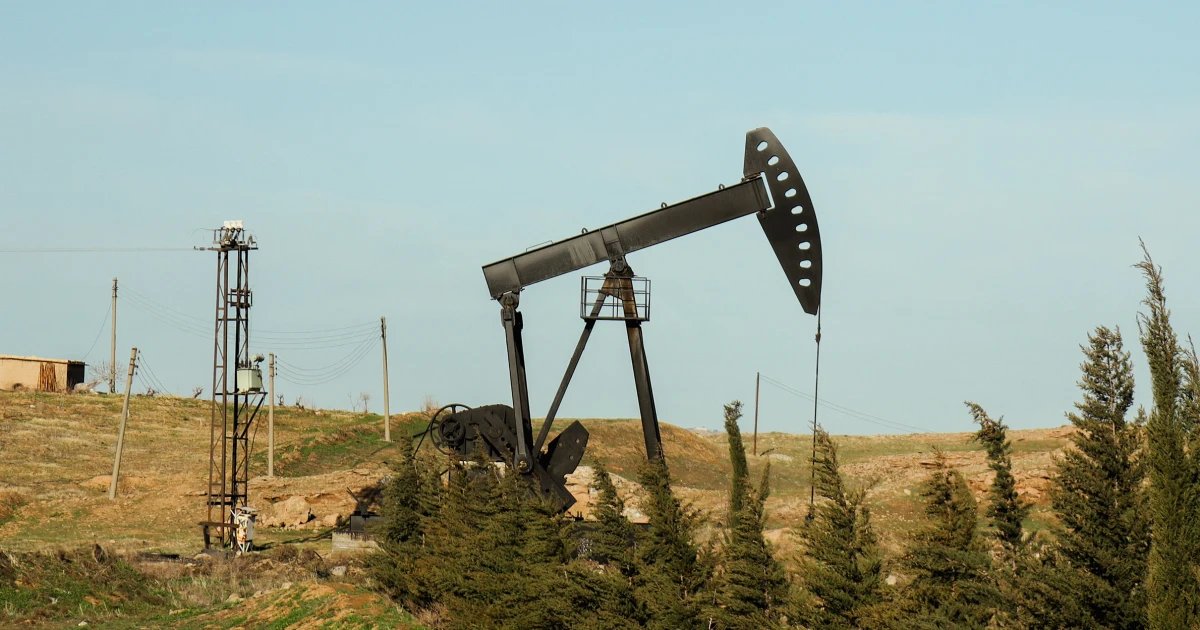
Oil hits $100 per barrel for first time since July 2022
Oil continued its recent surge Sunday, hitting $100 per barrel for the first time since July 2022 as the ripple effects from the U.S. war on Iran continued to hit global markets.
U.S. crude oil futures rose more than 25%, to nearly $115 per barrel, while Brent, the international benchmark, jumped more than 20%, to $110 per barrel.
In addition to oil’s rise, S&P 500 futures plunged 2.3%, Dow futures plummeted more than 1,000 points, and Nasdaq 100 futures slid 2.7%, indicating U.S. stocks were poised to continue last week’s descent.
Oil’s remarkable jump came even despite a record 35% rise last week. In addition to surging oil prices, U.S. retail gas prices also soared to a national average of more than $3.45 per gallon.
The last time oil and gas prices surged to such levels was immediately after Russia invaded Ukraine in February 2022.
Selling was not constrained to U.S. markets.
South Korea’s Kospi index plunged 9%, Japan’s Nikkei 225 slid more than 7.5% and Taiwan’s TWSE traded down nearly 6%. Australia’s ASX 200 fell 4.3% and the Hang Seng index, based in Hong Kong, declined more than 3%.
European futures also pointed to sharply lower trading. Germany’s DAX index was set to tumble more than 3.3%, the U.K.’s FTSE 100 was poised to drop 2% and the pan-European Stoxx 600 was expected to fall nearly 2.5%.
The war continues to hit oil infrastructure and push refiners to cut production. Kuwait’s state oil company said it was trimming output, while the United Arab Emirates’ state-run oil company said it was “managing” some output, hinting at possible production cuts.
Kuwait and the UAE both rank in the top five oil-producing countries in OPEC. Iraq, the No. 2 OPEC oil producer, already cut output significantly last week, according to multiple reports.
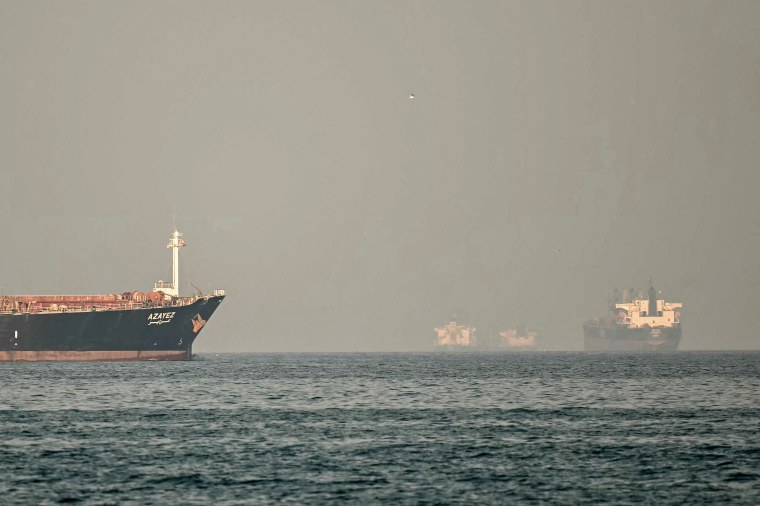
The Strait of Hormuz, off southern Iran, remains essentially impassible for most oil and liquefied natural gas tankers as they try to reach the global market.
Every $1 that crude oil futures rise typically correlates to about a 2.5-cent rise in retail gasoline prices.
Consumers have already begun seeing increased prices at their local gas stations, and at least one analyst predicts prices will rise further. “I now estimate the chance of the national average reaching $4/gal in the next month is now 80%,” GasBuddy analyst Patrick De Haan said on X.
De Haan added that he saw an 85% chance of diesel fuel hitting $5 per gallon in the next week.
This year, the price of U.S. crude oil has skyrocketed more than 80% as the Trump administration ramped up its rhetoric against Iran’s regime, even before it struck the country and killed its supreme leader.
President Donald Trump has repeatedly rebuffed concerns about the rising price of oil and gas since the war began, telling Reuters on Friday that “I don’t have any concern about it” and adding that prices will “drop very rapidly when this is over, and if they rise, they rise, but this is far more important than having gasoline prices go up a little bit.”
Trump said Sunday on Truth Social that spiking prices were “a very small price to pay for U.S.A., and World, Safety and Peace.”
On Sunday, Senate Minority Leader Chuck Schumer, D-N.Y., suggested that the administration should tap the national strategic petroleum reserve.
“The Strategic Petroleum Reserve exists for moments exactly like this,” Schumer said in a written statement. “When wars and global crises disrupt energy markets, the United States has the ability to act, but President Trump and his administration are refusing to do so.”
On Friday, Treasury Secretary Scott Bessent said the administration was working with U.S. Central Command to try to get ships moving through the Strait of Hormuz soon.
The strait, a key artery for oil and liquefied natural gas to get to the global market, has been essentially shut since the U.S. and Israel first struck Iran on Feb. 28.
Still, Bessent said, it might take another “week or two weeks” to get ships moving through the waterway again as normal, “but we are on track to get this solved.”
Bessent also said in the interview on Fox Business Network that the Treasury Department might “unsanction” Russian oil to “create supply” and ease prices in the meantime.
Interior Secretary Doug Burgum echoed Bessent, saying Sunday on Fox News that it might be “weeks” before ships are passing through the Strait of Hormuz again. Burgum said it was “a temporary issue” only.